

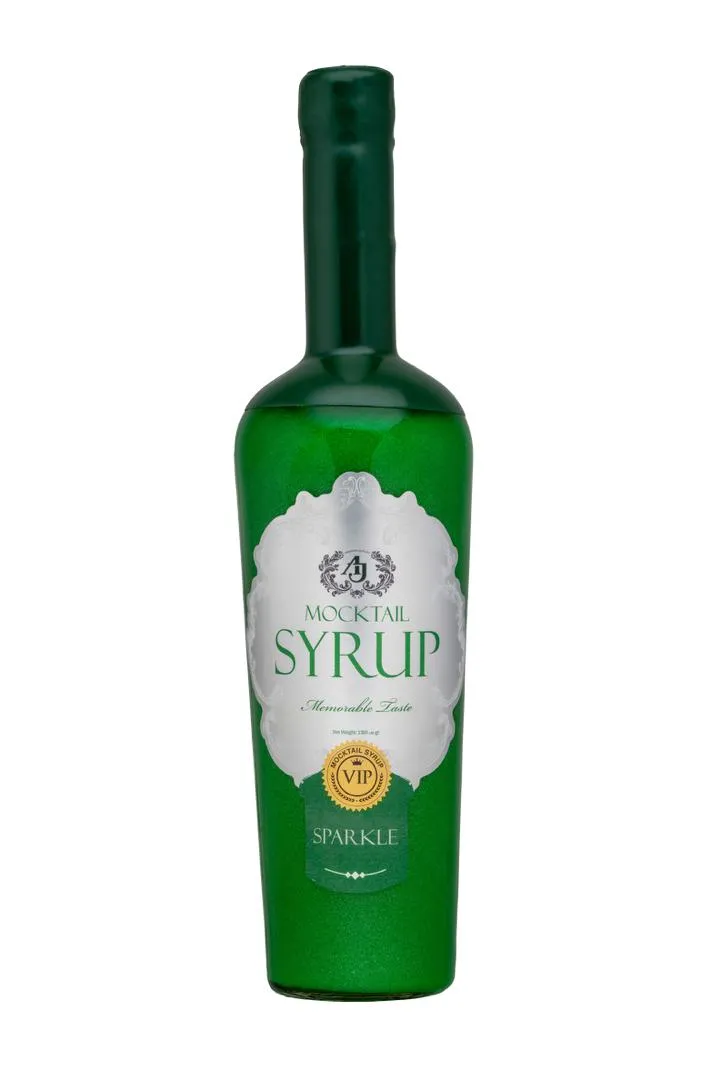

Is Syrup Harmful or Beneficial for Health? A Deep Dive into Sweetness
The quest for sweetness is deeply ingrained in human nature, leading us to a vast array of sugary delights. Among these, syrup stands out as a versatile and ubiquitous ingredient, finding its way into our pancakes, coffees, baked goods, and even savory dishes. But as health consciousness grows, a critical question arises: Is syrup harmful or beneficial for our health? The answer, as with many dietary components, is far from straightforward. It’s a nuanced discussion that depends heavily on the type of syrup, the quantity consumed, and an individual’s overall dietary pattern. Let’s embark on a comprehensive exploration to unravel the complexities surrounding this liquid gold (or sometimes, liquid sugar).
Understanding Syrup: More Than Just Sugar Water
Before we delve into the health implications, it’s crucial to understand what syrup actually is and the various forms it takes. Fundamentally, syrup is a thick, viscous liquid consisting primarily of a concentrated solution of sugar in water, often with flavoring agents. However, the world of syrup is incredibly diverse, ranging from naturally occurring plant extracts to highly processed industrial products. Each type of syrup carries its own unique nutritional profile and potential health impact.
Major Types of Syrup:
- Maple Syrup: A natural syrup derived from the sap of maple trees. It’s known for its distinct flavor and contains some minerals and antioxidants, though primarily composed of sucrose.
- Honey: While technically not always called a syrup, it functions similarly and is often grouped with natural sweeteners. Produced by bees, it’s a complex mixture of fructose, glucose, water, and trace amounts of enzymes, minerals, vitamins, and antioxidants.
- Agave Syrup (Agave Nectar): Extracted from the agave plant, this syrup is sweeter than sugar and has a lower glycemic index due to its high fructose content. However, its high fructose level is also a point of contention.
- Corn Syrup: Produced from corn starch, this syrup is primarily glucose. It’s widely used in processed foods to soften texture, add volume, and prevent crystallization of sugar.
- High-Fructose Corn Syrup (HFCS): A more processed version of corn syrup, where enzymes convert some of the glucose into fructose. It’s a common sweetener in beverages and packaged foods, similar in composition to table sugar (sucrose, which is half glucose, half fructose).
- Simple Syrup: A basic homemade syrup made by dissolving sugar in water, commonly used in cocktails and desserts.
- Fruit Syrups: Often made from concentrated fruit juices, sometimes with added sugar.
The “Harmful” Side of Syrup: When Sweetness Becomes a Health Risk
For many types of syrup, particularly those that are highly processed and concentrated, the primary concern revolves around their high sugar content. The overconsumption of sugar, in any form, has been unequivocally linked to a myriad of health problems. Understanding these risks is crucial when considering your intake of syrup.
1. High Sugar Content and Added Sugars:
Most syrup varieties, especially industrial ones like HFCS and corn syrup, are essentially concentrated sources of rapidly digestible carbohydrates. The body processes these sugars quickly, leading to rapid spikes in blood glucose. While natural syrup (like maple syrup) might offer trace nutrients, their primary component is still sugar. The sheer volume of sugar in many processed foods and beverages, often sweetened with various forms of syrup, contributes significantly to exceeding daily recommended sugar limits.
2. Impact on Blood Sugar and Insulin Resistance:
The rapid absorption of sugars from syrup can lead to quick increases in blood sugar levels, prompting the pancreas to release insulin. Chronic consumption of large amounts of sugar can desensitize cells to insulin over time, leading to insulin resistance. This condition is a precursor to pre-diabetes and Type 2 Diabetes. Regular intake of sugary beverages and foods containing substantial amounts of syrup places a continuous strain on the body’s glucose regulation system.
3. Contribution to Weight Gain and Obesity:
Sugars found in syrup provide calories without offering substantial satiety. This means you can consume a significant number of calories from syrup-sweetened products without feeling full, often leading to overeating. Furthermore, the body tends to convert excess sugar, particularly fructose, into fat. This fat can accumulate around organs and under the skin, contributing to weight gain and increasing the risk of obesity, a major risk factor for numerous chronic diseases.
4. Liver Fat Accumulation (Especially Fructose-Rich Syrups):
Fructose, a key component in HFCS and agave syrup, is metabolized primarily by the liver. When consumed in excess, especially in liquid form (like in soft drinks with HFCS), the liver can become overwhelmed, converting much of it into fat. This process can lead to non-alcoholic fatty liver disease (NAFLD), a condition that is increasingly prevalent and can progress to more serious liver damage.
5. Dental Health Issues:
The sugars in syrup provide a feast for oral bacteria, which produce acids that erode tooth enamel. Frequent consumption of syrup-sweetened foods and drinks, without proper oral hygiene, significantly increases the risk of dental cavities and other oral health problems.
6. Lack of Essential Nutrients:
While some natural syrup options like maple syrup and honey contain trace amounts of minerals and antioxidants, these amounts are generally minuscule compared to their sugar content. Processed syrup, such as corn syrup and HFCS, are essentially “empty calories,” providing energy without any significant vitamins, minerals, or fiber. Relying on such syrup for sweetness can displace more nutrient-dense foods from the diet.
7. Association with Chronic Diseases:
Beyond diabetes and obesity, high intake of added sugars, prevalent in many syrup-sweetened products, has been linked to an increased risk of cardiovascular diseases, certain cancers, and even cognitive decline. The inflammatory effects of excessive sugar consumption can contribute to a wide range of chronic health issues.
 Event 02Event 03
The “Beneficial” Side (or Less Harmful Options) of Syrup
While the pitfalls of excessive syrup consumption, especially of highly refined varieties, are clear, it’s important to acknowledge that not all syrup is created equal. Some natural forms of syrup offer minor benefits and can be part of a balanced diet when consumed in moderation.
1. Natural Syrups: Trace Nutrients and Antioxidants:
Maple Syrup: Pure maple syrup contains small amounts of minerals like manganese, zinc, iron, calcium, and potassium. It also boasts several antioxidants, which may help combat oxidative stress in the body. While these amounts are not high enough to constitute a significant source of daily nutrients, they offer a slight advantage over refined sugars. Consuming genuine maple syrup in modest amounts is often considered a better choice than processed alternatives.
Honey: Honey is another natural sweetener often considered a type of syrup. Raw honey, in particular, contains a wide array of antioxidants, prebiotics (which can support gut health), amino acids, vitamins, and minerals. It also has known antibacterial and anti-inflammatory properties, and some people use it for soothing sore throats or wound healing. The unique composition of honey makes it distinct from simple sugar solutions. The rich profile of this natural syrup offers some minor health advantages.
2. Glycemic Index Considerations (Limited):
Some natural syrup types, like certain grades of maple syrup or agave syrup (due to its high fructose), might have a slightly lower glycemic index (GI) compared to table sugar, meaning they cause a slower rise in blood sugar. However, this benefit is often overstated, especially for agave syrup, as its high fructose content carries its own set of metabolic risks when consumed in large quantities. For any syrup, the overall sugar load is often more critical than its specific GI.
3. Culinary Uses and Flavor Enhancement:
Beyond nutrition, syrup plays an undeniable role in culinary arts. Its unique texture and flavor profiles can enhance dishes in ways that other sweeteners cannot. Maple syrup, for example, offers a distinct earthy sweetness, while corn syrup is valued for its ability to prevent crystallization in candies. Used judiciously, syrup can elevate a meal without necessarily turning it into an unhealthy indulgence. The pleasure derived from food, including the strategic use of syrup, is also a component of overall well-being.
4. Quick Energy Source (Specific Contexts):
In specific situations, such as for athletes needing immediate energy during prolonged exercise, the fast-acting carbohydrates in syrup can be beneficial. However, for the average individual, this quick energy spike is more likely to lead to a subsequent crash and cravings, rather than sustained benefit. This use case for syrup is highly specialized.
Distinguishing Between Syrups: Why the Type Matters
The most important takeaway from this discussion is that the term “syrup” is an umbrella term encompassing a wide range of products with vastly different nutritional compositions and health impacts. To simplify, we can broadly categorize syrup:
- Natural, Less-Processed Syrups: Maple syrup, honey (raw, unpasteurized is best). These still contain high amounts of sugar but offer trace nutrients and antioxidants. They are generally considered “better” options due to their minimal processing and slight nutritional advantages, but moderation is still paramount.
- Refined and Processed Syrups: Corn syrup, HFCS, simple syrup, most commercial pancake syrup (which is often just corn syrup with artificial maple flavor and caramel color). These are largely devoid of nutrients and are primarily sources of empty calories and added sugars. Their regular consumption is strongly linked to negative health outcomes.
Therefore, when you see “syrup” on an ingredient label, it’s crucial to identify the specific type. The health impact of a natural syrup differs significantly from that of a highly processed variant.
How to Consume Syrup Responsibly: Moderation is Key
Given the complexities, how should one approach syrup consumption? The overarching principle is moderation, coupled with informed choices.
- Choose Natural, Less-Processed Options: Opt for pure maple syrup or raw honey over highly processed corn syrup or HFCS whenever possible. Even then, remember these are still concentrated sugars.
- Practice Portion Control: A small drizzle of syrup on your pancakes or a teaspoon in your coffee is vastly different from drowning your breakfast in it or consuming multiple syrup-sweetened beverages daily. Be mindful of serving sizes.
- Read Food Labels Diligently: Look beyond the marketing. If “syrup” (especially corn syrup or HFCS) is high on the ingredient list, especially in products you consume regularly, reconsider its place in your diet. Many seemingly healthy products contain hidden sugars in the form of syrup.
- Consider the Overall Dietary Context: A little bit of pure maple syrup on whole-grain oatmeal with fruit and nuts is part of a balanced meal. The same amount of syrup in a highly processed pastry with added fats and refined flour contributes to a less healthy profile.
- Explore Alternatives: For sweetness, consider whole fruits, fruit purees, or spices like cinnamon and vanilla, which add flavor without concentrated sugars.
- Educate Yourself: Understand the differences between various forms of syrup and their metabolic effects. Knowledge empowers better choices.
The Broader Picture: Syrup in the Context of a Healthy Diet
No single food, including syrup, dictates the healthfulness of an entire diet. The impact of syrup must be viewed within the broader context of an individual’s eating habits. A diet rich in whole, unprocessed foods, lean proteins, healthy fats, and plenty of fruits and vegetables can accommodate occasional, moderate consumption of natural syrup without significant negative consequences. Conversely, a diet heavy in processed foods, sugary drinks, and excessive amounts of any type of syrup is likely to be detrimental to health.
The goal isn’t necessarily to eliminate all forms of syrup, but rather to minimize intake of added sugars and prioritize nutrient-dense options. The journey to a healthier diet often involves reducing reliance on concentrated sweeteners and appreciating the natural sweetness found in whole foods. Even the best quality syrup should be treated as an occasional treat rather than a dietary staple.
Conclusion: A Sweet Spot for Syrup?
So, is syrup harmful or beneficial for health? The answer is unequivocally: it depends. While natural options like pure maple syrup and honey offer a few trace nutrients and antioxidants that refined sugars lack, they are still primarily sources of concentrated sugar. Highly processed syrup, such as high-fructose corn syrup, poses significant health risks due to its metabolic impact and lack of nutrients. The widespread use of cheap, processed syrup in our food supply is a major public health concern, contributing to the global burden of obesity, type 2 diabetes, and cardiovascular disease.
The key to incorporating any form of syrup into a healthy lifestyle lies in conscious consumption: choosing the least processed varieties, being mindful of portion sizes, and ensuring it fits into an overall diet rich in whole, unprocessed foods. Embrace natural sweetness, and when you do reach for syrup, do so with an understanding of its implications. Our health journey is about making informed choices, and when it comes to syrup, knowledge truly is power.


