

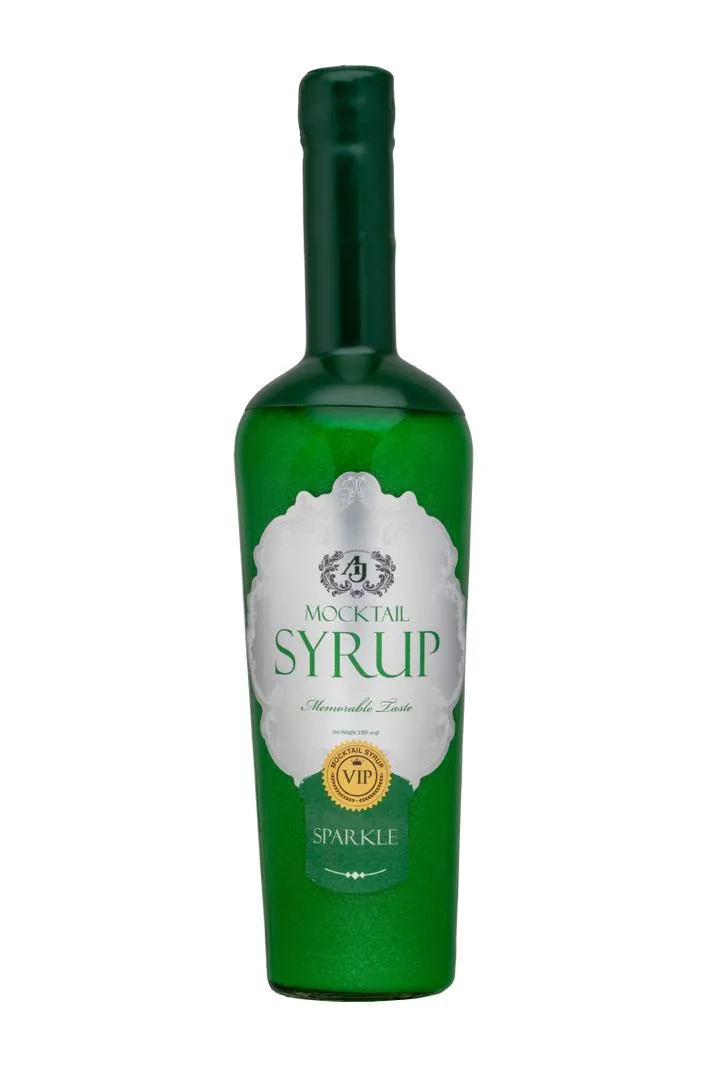

What is Syrup and How Does It Differ from Regular Cordial? A Deep Dive
In the expansive culinary world, many terms often overlap or are used interchangeably, leading to confusion. Two such terms are “syrup” and “cordial” (sometimes referred to as “sherbet” in certain contexts, particularly in the Middle East and South Asia for a concentrated drink). While both are sweet, liquid concoctions, their fundamental nature, purpose, and uses are distinct. A common question that arises for both home cooks and professional baristas is: What is syrup, truly? And how does it stand apart from a conventional cordial we might dilute with water?
This comprehensive article aims to unravel the intricacies of these two sweet liquids. We will thoroughly explore what is syrup, delving into its history, composition, types, and myriad applications. Concurrently, we will define what constitutes a cordial, examining its cultural significance and typical uses. By the end of this read, you will have a crystal-clear understanding of their differences, empowering you to make informed choices in your kitchen, bar, or even when grocery shopping. Let’s embark on this journey to discover what is syrup and its distinct counterpart.
Understanding: What is Syrup?
At its core, what is syrup? Simply put, a syrup is a thick, viscous, and concentrated liquid, primarily consisting of sugar dissolved in water, often with added flavoring agents, colors, and sometimes preservatives. The high concentration of sugar not only contributes to its intense sweetness but also acts as a natural preservative, significantly extending its shelf life. This concentration is a key characteristic when considering what is syrup in culinary applications.
The Historical Roots of Syrup
The concept of syrup dates back to ancient civilizations. Early humans preserved fruits and herbs by immersing them in honey or date molasses. With the advent and widespread trade of sugar, the modern form of syrup began to evolve. In many cultures, syrups were not just sweeteners but also served as bases for herbal medicines, offering an palatable way to consume potent concoctions. This historical context provides valuable insight into what is syrup and its long-standing utility.
Key Components of Syrup
When examining what is syrup made of, we typically find these primary components:
- Sugar: The most dominant ingredient. This can include granulated white sugar, brown sugar, high-fructose corn syrup, or even natural sweeteners like agave nectar or maple syrup. The sugar-to-water ratio is usually high, often 1:1 or 2:1 by volume or weight.
- Water: The solvent for the sugar. The quality of water can subtly influence the final taste.
- Flavoring Agents: This is where the diversity of what is syrup truly shines. These can be fruit extracts, natural or artificial essences (e.g., vanilla, almond), spices (cinnamon, ginger), coffee, chocolate, or herbal compounds.
- Preservatives (Optional): In commercial syrups, agents like citric acid or sodium benzoate may be added to inhibit microbial growth and extend shelf stability.
- Coloring Agents (Optional): For aesthetic appeal, especially in beverage syrups, food-grade colors are often included.
Varieties of Syrups
Given the broad answer to what is syrup, it can be categorized into several types:
- Simple Syrup: The most basic form, made solely from sugar and water. It’s the foundational syrup for many cocktails and beverages, demonstrating the simplest form of what is syrup.
- Flavored Syrups: Syrups infused with various flavors like vanilla, caramel, strawberry, mint, hazelnut, etc. These are most commonly associated with the general query of what is syrup by consumers.
- Breakfast Syrups: Such as maple syrup or pancake syrup, primarily used as a topping for pancakes, waffles, and breakfast desserts.
- Medicinal Syrups: Liquid formulations of medicines, sweetened to improve palatability and ease of consumption, often for children.
- Industrial Syrups: Like high-fructose corn syrup, widely used in the food industry as a sweetener, thickener, and humectant.
Primary Applications of Syrups
The versatility of syrups answers what is syrup and why it’s a staple in both home kitchens and professional settings:
- In Beverages: The most common use. Syrups are crucial in crafting cocktails (alcoholic and non-alcoholic), flavoring coffees (lattes, cappuccinos), iced teas, and sodas, providing both sweetness and specific flavor profiles. When you add a pump of vanilla to your coffee, you’re using a flavored syrup.
- In Desserts: As a sauce or topping for ice cream, pancakes, waffles, cakes, and other pastries.
- In Cooking: Used in glazes for meats, specific salad dressings, or for candying fruits.
- In Baking/Confectionery: To moisten cakes, create buttercream, or sweeten doughs.
- As a Preservative: For canning fruits or making jams and jellies.

Event 02
Event 03
What is Cordial (or Sherbet Concentrates)? An Overview
In contrast to the question what is syrup, we now turn our attention to cordials. In many English-speaking regions, a “cordial” refers to a concentrated non-alcoholic syrup that is diluted with water before drinking. Historically, the term also encompassed medicinal or invigorating tonics. In the Middle East and South Asia, a similar concentrated drink is often called “sharbat” or “sherbet” – a sweet, usually fruit-based, liquid designed to be diluted and consumed as a refreshing beverage. Unlike a syrup which is often an ingredient, a cordial is typically the essence of a drink itself, requiring only water to become a complete beverage.
The Rich History of Cordials/Sherbets
The word “sherbet” or “sharbat” originates from the Arabic word “shariba,” meaning “to drink.” This term traveled from the Middle East through the Islamic world to Europe, giving rise to terms like “sorbet” (a type of frozen dessert) and “sherbet” (often a powder or a chilled drink). Traditional cordials, particularly those from the Middle East, are deeply interwoven with culture, hospitality, and specific seasonal fruits and herbs. Understanding this history helps clarify what is syrup in comparison to these ancient drink traditions.
Key Components of Cordials
While sharing sugar and water with syrups, cordials have distinct features that differentiate them from the core definition of what is syrup:
- Fruit or Herbal Extract: The primary flavor typically comes from actual fruit juices (e.g., lime, blackcurrant, raspberry), fruit concentrates, or strong herbal infusions (e.g., elderflower, ginger).
- Sugar: Used for sweetness and as a preservative, though often in a slightly lower concentration relative to the dominant flavor profile compared to many pure syrups.
- Water: Used in preparation and for subsequent dilution for consumption.
- Acids: Often contain citric acid or malic acid to balance sweetness and enhance flavor, providing a refreshing tartness.
- Spices/Flavorings (Optional): Ingredients like rosewater, cardamom, or saffron might be added for complexity.
Varieties of Cordials
Cordials come in a wide array, often reflecting regional preferences. This variety provides another angle on what is syrup is not:
- Fruit Cordials: Such as blackcurrant, elderflower, or lime cordial.
- Herbal Cordials: Like ginger cordial or specific blends used for their refreshing or perceived medicinal properties.
- Traditional Middle Eastern Sherbets: Examples include Sekanjabin (a mint and vinegar cordial), Bahar Narenj (orange blossom), or Albaloo (sour cherry).
Primary Applications of Cordials
The main application of a cordial is as a refreshing drink. It’s designed to be diluted with still or sparkling water, making a flavorful and thirst-quenching beverage, especially popular in warmer climates or as part of hospitality rituals. This fundamental use highlights the difference from what is syrup primarily intends to be.
Key Differences: What is Syrup vs. Cordial?
Having defined both concepts separately, it’s time to directly address the central question of this article: What is syrup, and how does it fundamentally differ from a cordial? Understanding these distinctions is crucial for proper culinary application and appreciation.
| Feature | Syrup | Cordial (or Sherbet Concentrate) |
|---|---|---|
| 1. Consistency & Viscosity | Generally very thick, viscous, and often quite sticky. Designed to coat or provide body. When we talk about what is syrup, its thickness is a defining trait. | While concentrated, often less viscous than syrup. It’s meant to be easily mixed and diluted into a drink. |
| 2. Sugar-to-Water Ratio | Typically very high, often 1:1 or 2:1 sugar to water. Sugar is the primary bulk component. The question what is syrup implies a heavy sugar presence. | While sweet, the sugar ratio is often balanced with fruit or herbal extracts. The flavor, not just the sweetness, is paramount. |
| 3. Primary Purpose | Primarily an additive, flavor enhancer, sweetener, or base component in other dishes or beverages. The core of what is syrup is its role as an ingredient. | Primarily a drink concentrate; its purpose is to be diluted with water to create a standalone beverage. |
| 4. Flavor Source | Can be derived from natural extracts, essential oils, or artificial flavorings (e.g., vanilla extract, caramel flavoring). Flavors are often singular and distinct. | Predominantly derived from actual fruit juices, fruit concentrates, or strong herbal infusions. Flavors tend to be more complex and natural tasting. |
| 5. Shelf Life | Due to high sugar concentration, often has a longer shelf life, even at room temperature when unopened (refrigeration recommended after opening). This extended shelf life is inherent to what is syrup. | Generally has a good shelf life due to sugar, but often requires refrigeration after opening, especially if made from fresh fruit. |
| 6. Preparation Method | Typically involves dissolving sugar in hot water, then adding flavorings. Specific controlled processes are often used. | Can involve simmering fruits with sugar, pressing juices, or infusing herbs. The process might feel more akin to jam or preserve making. |
| 7. Cultural Usage | Common in modern coffee shops, bars, restaurants, and for contemporary desserts. The global understanding of what is syrup is modern and international. | Deeply rooted in various cultures, particularly in regions like the Middle East, for traditional hospitality, cooling drinks, and ceremonial purposes. |
| 8. Common Examples | Caramel syrup, vanilla syrup, maple syrup, chocolate syrup, grenadine. These exemplify what is syrup in daily use. | Elderflower cordial, lime cordial, blackcurrant cordial, traditional sharbat like rose or sour cherry. |
In essence, a syrup is more like a potent flavoring extract designed to be added to other things, fundamentally altering their taste and texture. A cordial, on the other hand, is a concentrated drink base, intended to become a complete, refreshing beverage upon dilution. This fundamental difference is key to understanding what is syrup versus what is a cordial.
Addressing Common Misconceptions
One prevalent misconception is that what is syrup simply refers to a very concentrated cordial. While both are concentrates, their end-use defines them. A cordial’s ultimate goal is to become a drink. A syrup’s goal is to infuse flavor into *another* item. Another misunderstanding is that all syrups are artificial. While many commercial syrups use artificial flavorings, a significant number, like pure maple syrup or homemade fruit syrups, are entirely natural. The same applies to cordials; they can be naturally fruit-based or contain artificial essences. So, when considering what is syrup, it’s important to recognize the spectrum from wholly natural to entirely artificial.
When to Choose Syrup vs. Cordial?
The choice between syrup and cordial hinges on your culinary objective. Understanding what is syrup guides its appropriate usage:
- For concentrated flavor and sweetness: If your aim is to add a specific, strong flavor (like vanilla, caramel, or peppermint) and sweetness to a pre-existing drink or dessert, syrup is your best bet. Think flavoring coffee, mixing cocktails, or drizzling over ice cream. This scenario perfectly highlights what is syrup for its intended use.
- For texture and body: When you need to increase the viscosity or add a smooth texture to a dessert (e.g., in ganaches, glazes, or to moisten cakes), syrup is the ideal choice.
- As a liquid sweetener: In recipes requiring a liquid sweetener instead of granulated sugar, especially when specific flavors are desired, syrup is a convenient alternative.
Conversely, opt for a cordial when:
- To create a refreshing beverage: If you want to quench your thirst and enjoy a fresh, fruity, or herbaceous drink, a cordial (diluted with water) is perfect, especially during warm weather.
- For traditional hospitality: In many cultures, cordials are a symbol of welcome and are served to guests as a refreshing offering.
- To experience seasonal and natural flavors: Many cordials are made from seasonal fruits and capture the authentic taste and aroma of the produce.
Crafting Your Own: Homemade Syrup and Cordial
Understanding what is syrup is deepened by the experience of making it yourself. Both syrups and cordials can be easily made at home, giving you full control over ingredients, sugar levels, and flavor profiles.
Making Simple Syrup at Home
The foundation of understanding what is syrup starts here:
- Ingredients: 1 cup granulated sugar, 1 cup water.
- Method: Combine sugar and water in a small saucepan. Heat over medium heat, stirring constantly, until the sugar is completely dissolved. Do not let it boil vigorously; a gentle simmer for a minute or two is sufficient if you desire a slightly thicker syrup.
- Cooling & Storage: Remove from heat and allow to cool completely. Transfer to a clean, airtight bottle and store in the refrigerator for up to 2-3 weeks.
To make flavored syrups, you can infuse ingredients like lemon zest, fresh ginger, cinnamon sticks, or vanilla extract into the simple syrup while it’s still warm, then strain them out after cooling. This demonstrates the versatility of what is syrup can become.
Making a Basic Fruit Cordial (e.g., Berry Cordial)
This recipe provides a clear contrast to what is syrup in its preparation and intent:
- Ingredients: 500g fresh berries (strawberries, raspberries), 500g granulated sugar, 250ml water, 1-2 tbsp lemon juice (for freshness and preservation).
- Method:
- Wash berries thoroughly. If using larger berries like strawberries, halve or quarter them.
- Combine berries, sugar, and water in a large saucepan.
- Bring the mixture to a gentle boil over medium heat, stirring occasionally to dissolve the sugar.
- Reduce heat and simmer for 15-20 minutes, or until the berries have softened and released their juices, and the liquid has slightly thickened. Skim off any foam that rises to the surface.
- Remove from heat and let it cool slightly.
- Strain the mixture through a fine-mesh sieve or a cheesecloth-lined colander, pressing the solids gently to extract all the juice. Discard the solids.
- Stir in the lemon juice into the strained liquid. If desired, you can briefly return the strained liquid to the heat and simmer for another 5-10 minutes for a more concentrated cordial.
- Cooling & Storage: Allow the cordial to cool completely. Pour into sterilized bottles and store in the refrigerator for up to 2-4 weeks. To serve, dilute 1 part cordial with 3-4 parts cold water (still or sparkling). The specific dilution method further distinguishes it from what is syrup.
Health Aspects: Syrups and Cordials from a Nutritional Perspective
Both syrups and cordials are significant sources of sugar, so moderation in consumption is key. However, when examining what is syrup and what is cordial from a nutritional viewpoint, there are some differences:
- High Sugar Content: Sugar is the primary ingredient in both. Excessive sugar intake can contribute to weight gain, increased risk of type 2 diabetes, and other health issues.
- Nutritional Value: Commercial flavored syrups often offer little to no nutritional value beyond calories and flavor. Some natural syrups like pure maple syrup do contain minerals and antioxidants. Homemade cordials made from fresh fruits, on the other hand, can retain some vitamins and minerals from the fruit, though in diluted quantities due to the cooking process and subsequent dilution.
- Additives: Commercial syrups may contain artificial colors, flavors, and preservatives that some individuals prefer to avoid. Homemade versions of both, naturally, bypass these additives.
Choosing natural syrups or making your own cordials with fresh ingredients and controlled sugar levels can be healthier alternatives. This health-conscious approach also influences how we perceive what is syrup in today’s dietary landscape.
Conclusion: What is Syrup and Why Does It Matter to Know?
Throughout this comprehensive guide, we have thoroughly addressed the question: What is syrup? We’ve explored its definition, historical context, key components, various types, and diverse applications. Simultaneously, we’ve distinguished it from regular cordials, highlighting their unique characteristics, purposes, and cultural relevance. While both are sweet, viscous liquids, the fundamental difference lies in their intent: a syrup is primarily a concentrated flavoring and sweetener, an ingredient to enhance other items, whereas a cordial is a drink concentrate, destined to become a refreshing beverage itself upon dilution. This distinction is crucial for anyone pondering what is syrup in their culinary endeavors.
Armed with this detailed understanding, you can now confidently navigate the world of sweet liquids, making informed decisions whether you’re concocting a cocktail, flavoring a coffee, preparing a dessert, or simply seeking a refreshing drink. The question what is syrup no longer needs to be a mystery. Both syrups and cordials hold their unique and valuable places in the culinary landscape, enriching our palates and culinary creations in distinct ways.
Embrace the art of flavor creation, armed with the knowledge of what is syrup and its refreshing counterpart, the cordial. Happy mixing and creating!


